


Ruth Peyser was an Israeli, not originally by choice, but for survival. In 1939, she settled alone in Palestine. On her 100th birthday, Jewish hatred abounds.

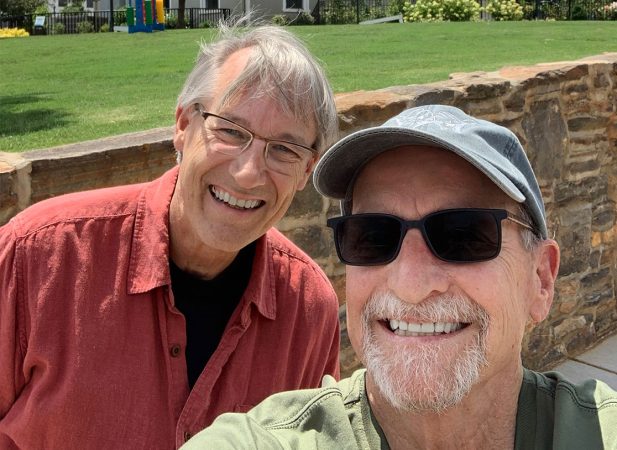



Remembering Chuck Liddy, by Mark D Phillips. Chuck Liddy is the reason I am the photographer I grew into. Our competition at the Morganton News Herald shaped my entire photographic career.

Wilmington? Vermont? It was a one stop-light town in the way on my way to Mount Snow. I always drove into town, turned right at that light and never once stopped. That changed this weekend in my efforts to travel on the New England Masters Ski Racing circuit in an old-style way, keeping costs down and when traveling alone, basically looking for those 70s and 80s type cheap motels that a single is willing to stay i
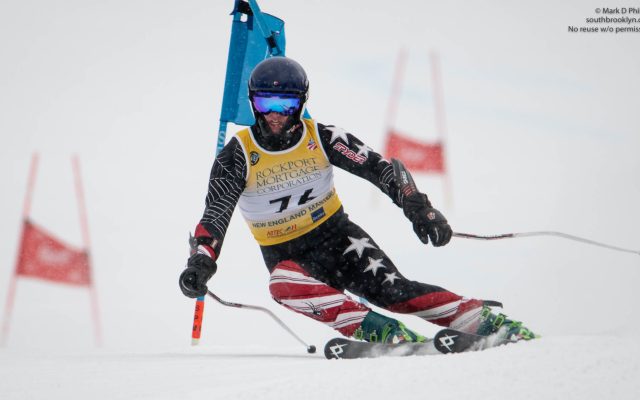
The Hochgebirge Challenge began in 1931, running continuously except for a few years because of war and lack of snow, and is recognized as the longest running team event in the US. The race has been an Olympic qualifier event, a National Championship, a National Championship qualifier event, and most recently, the qualifier for the Masters National Championship. The trophy is spectacular and makes you want to kiss it just like the Stanley Cup.
Ruth Peyser was an Israeli, not originally by choice, but for survival. In 1939, she settled alone in Palestine. On her 100th birthday, Jewish hatred abounds.

With 17 races for the 2023 season, New England Masters provided ample opportunities to capture great pictures of their racers at top venues – visit the show!
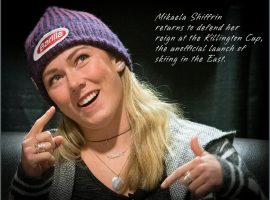
For most of us who will never win a reindeer, the Killington World Cup races have become the official start of the New England ski season.
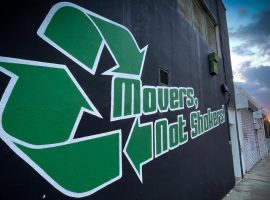
The graffiti of the Gowanus Canal is disappearing as the condominium gentrification reaches a fever pitch and the neighborhood disappears.
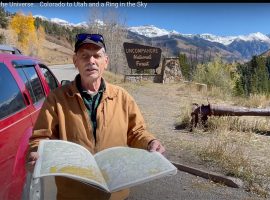
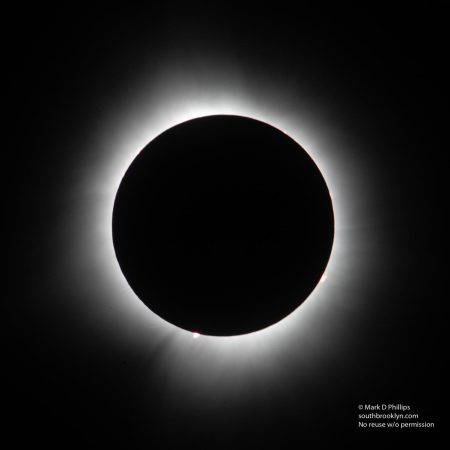
Two photojournalists decide to drive 500 miles across Colorado to Natural Bridges National Monument. Aspen, cottonwoods and the scenery beckon with an annular eclipse as the gold at the end of the rainbow. What could possibly go wrong?
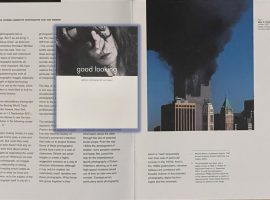
In 2004, the National Gallery of Victoria used “Satan in the Smoke” to show how photography can be perceived in different ways.

More than two decades have gone by in a flash. It was my now-24 year-old daughter’s first day of pre-school when the planes piloted by Islamic savages felled the World Trade Center.

Two years ago, I was convinced I was witnessing the end of Blue Mesa and Morrow Point Reservoirs and the west as we knew it. What a difference above-average snowfall can make.

The Goshen Stampede brings Pro Rodeo just up the road in Goshen, CT, with country star Travis Denning headlining the Country 92.5 Stage.

Gowanus is dead, Long live Gowanus. I have expected to say this for at least a decade, and now, post COVID, it is finally here. The Gowanus I photographed for thirty years is officially dead, The new Gowanus Canal is becoming the residential playground it was meant to be in 2023.
Movers, Not Shakers

MoversNotShakers, South Brooklyn's premier moving company located in Gowanus, supports The South Brooklyn Network.
MADDOG.Photo
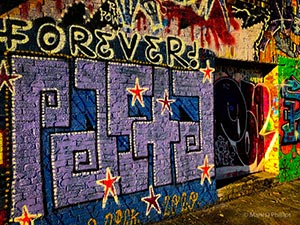
Gowanus Canal Graffiti Gone
Photographs by Mark D Phillips available
for online ordering!
Brooklyn Collection by Mark D Phillips

AVAILABLE FROM MADDOG.PHOTO
SATAN IN THE SMOKE by Mark D Phillips

SPECIAL SALE
My original file of Satan in the Smoke printed and signed by Mark D Phillips
ORDER NOW
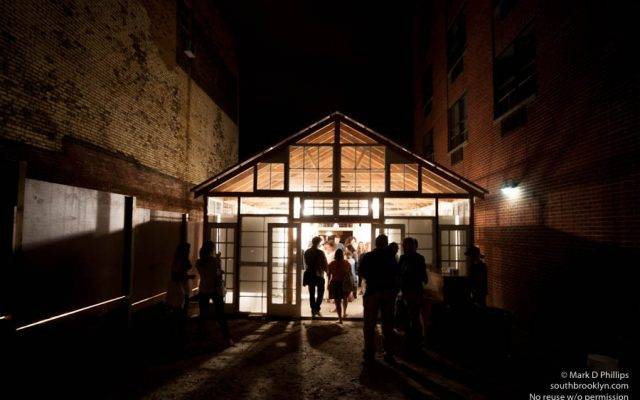
Bette Stoltz, president of the South Brooklyn Local Development Corporation, began a campaign in 1984 that culminated with a 12-year rebuilding campaign and brought Smith Street and Boerum Hill back to life.
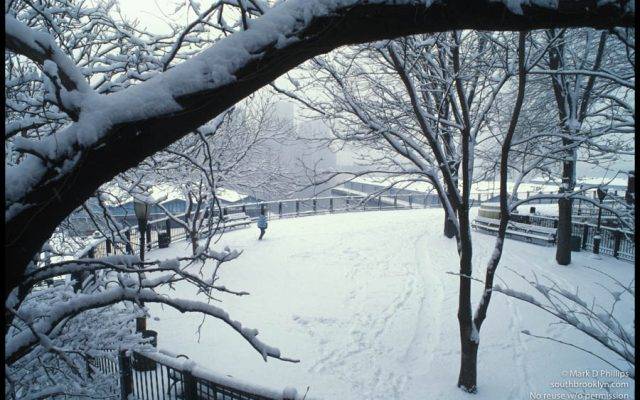
Considered to be the first suburb in America, Brooklyn Heights boasts the greatest views of lower Manhattan and brownstone mansions that rival anything on Fifth Avenue.

Charles Carroll, a Maryland signer of the Declaration of Independence who never lived in Brooklyn, is honored with Carroll Street, Carroll Park, and finally, Carroll Gardens.
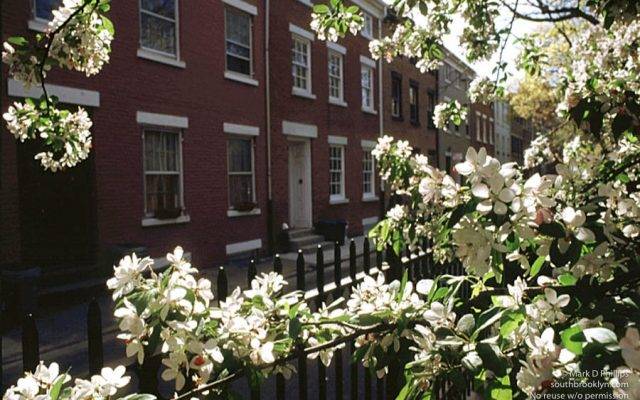
Originally named Ponkiesbergh by the Dutch farmers who settled the cobblestoned area in the 1600’s, the neighborhood gained its present name, Cobble Hill, from a variation of the English translation, Cobles Hill.

Down Under the Manhattan Bridge Overpass – DUMBO for short – is the new art mecca of New York City. Brooklyn Bridge Park begins its Waterfront run and has turned DUMBO into a Brooklyn playground.
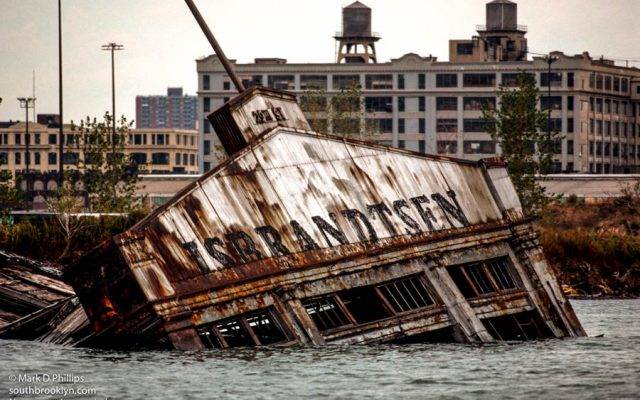
How did a Superfund site end up in South Brooklyn? Originally a series of tidal creeks, the native Americans named it Gowanes Creek in honor of Chief Gowanes of the Canarses tribe, who lived, hunted, and fished along its length.
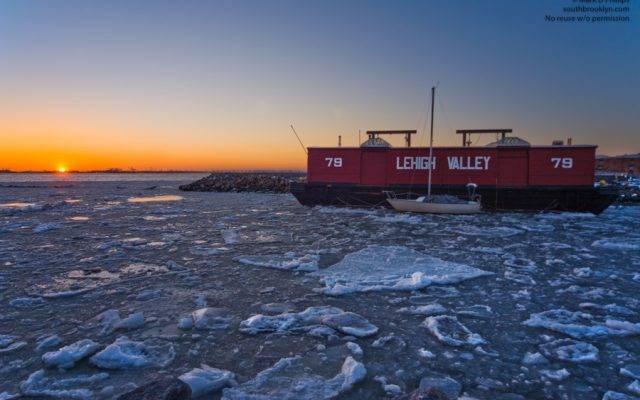
Today’s Red Hook is much smaller than its original boundaries. Throughout the 19th and 20th centuries, Red Hook point was a shipping destination and is today the home of Fairway grocery store.

Grand Army Plaza, the northern entrance to Prospect Park, is of special interest to Civil War enthusiasts with the Soldiers’ and Sailors’ Memorial Arch, a colossal granite Arc de Triomphe.